Libi hatched in spring 2015 in a nest near Lake Constance. Researchers fitted her with a small solar-powered GPS tag, and it reported where she was every few hours until the data was published, at the end of 2023.
I wanted to see what one bird’s life looks like. Where will she stop, what does the ground look like there, and is it nice there? Scroll down to follow her first trip south.
MenningenRhône valleyCataloniaStrait of GibraltarGharb plainSevilleMadrid
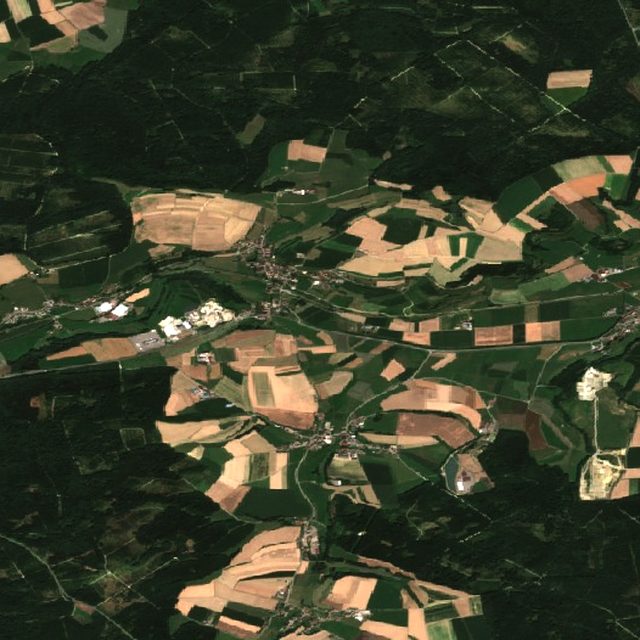
Menningen, Germany · June 2015
Libi is seven weeks old
Researchers from the Max Planck Institute fitted her and two of her siblings with small solar-powered GPS tags in their nest near Lake Constance. Both siblings died that July. Libi left home on 8 August.
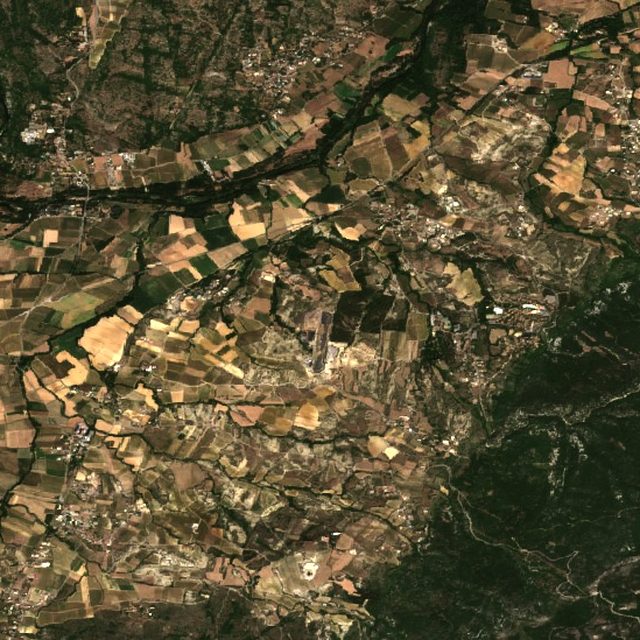
Rhône valley, France · 14–17 August
Five days in, a rest
She flew more than 500 km in her first five days, mostly soaring on rising warm air, then spent three days on the farmland of the Rhône valley.
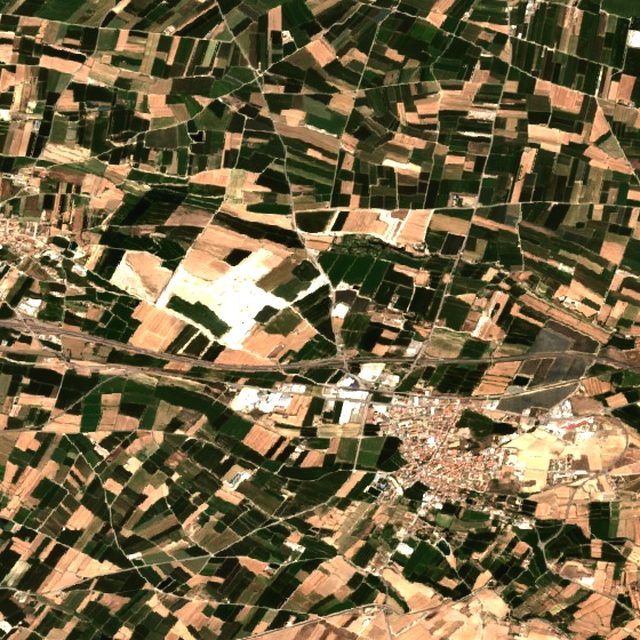
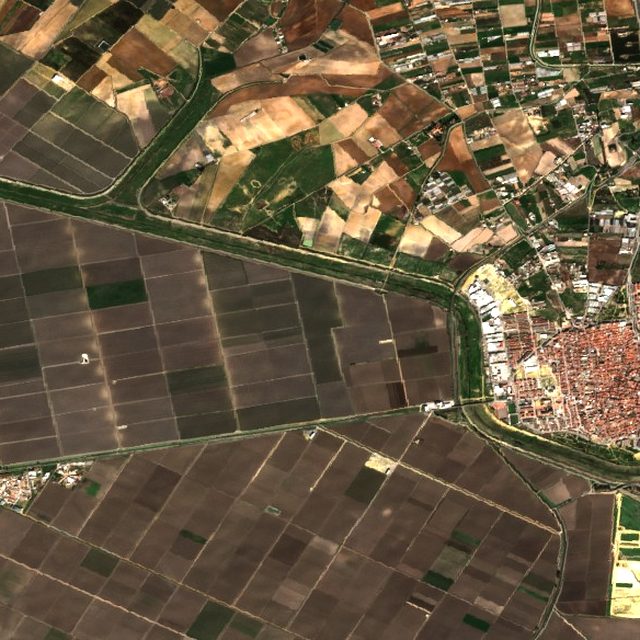
Catalonia, Spain · 20–30 August
Ten days on the plains
Over the Pyrenees and into inland Catalonia, where she spent ten days among the fields before heading south across the Spanish interior.
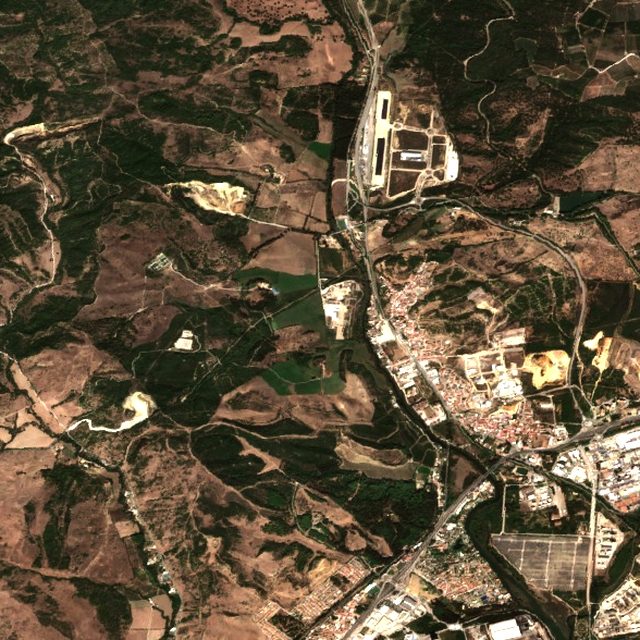
Near Gibraltar · 8–27 September
Twenty days at the edge of Europe
Storks glide on thermals and avoid flapping over open water, so even the 14 km of sea at the Strait is a barrier. Libi waited almost three weeks in the hills above the Bay of Algeciras.
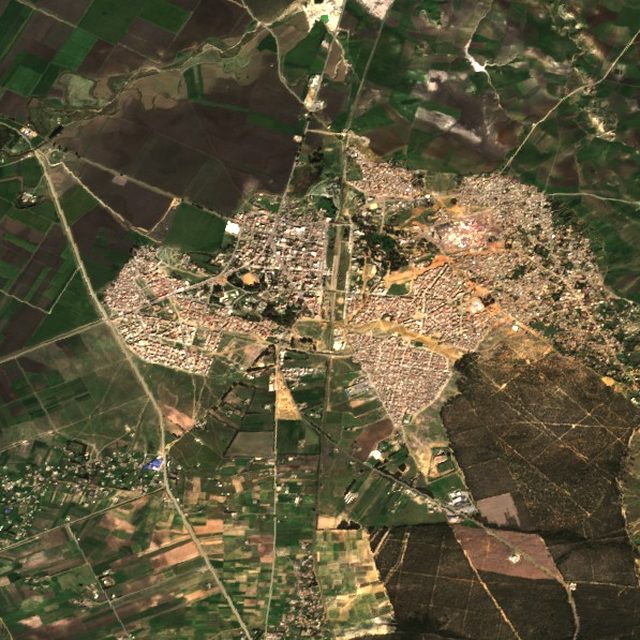
Gharb plain, Morocco · from 28 September
Africa, 51 days after leaving home
She crossed on 28 September and spent the winter on the farmland of the Gharb plain. 1,940 km from her nest in a straight line; her tag logged about 3,140 km of flying, detours included.
Winter 2016
The next year, not quite as far
In her second summer she roamed as far as the Lower Rhine, right on the Dutch border. That winter she stopped short of Africa and stayed on the flooded fields south of Seville.
Every winter, 2017–2023
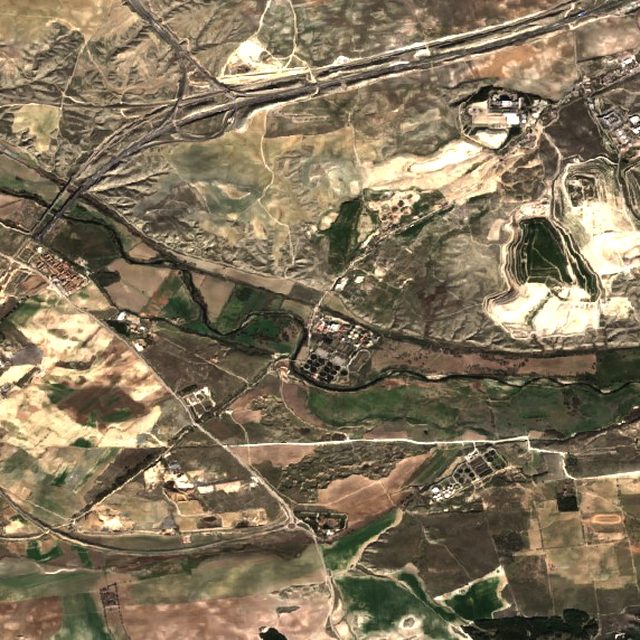
Then she stopped at Madrid
From 2017 on she spent her summers near Marburg in Hesse and flew only as far as Madrid, 1,330 km from her nest, and stayed there every winter until the data ends. Her GPS shows her routine: days on the city’s landfill at Valdemingómez, nights by the river two kilometres away. Many white storks now winter at Spanish landfills instead of crossing into Africa.
GPS: LifeTrack White Stork Oberschwaben (Fiedler, Flack, Schmid, Reinhard & Wikelski 2024), Movebank Data Repository, CC0, doi:10.5441/001/1.c42j3js7_2. Satellite images: contains modified Copernicus Sentinel-2 data (2019–2023), via Microsoft Planetary Computer; they show each place in a later year, not on the day she was there. Coastlines: Natural Earth.